

GPUs, commonly known as Graphics Processing Units, are now a critical part in modern computing, especially in video games, graphics design, as well as artificial intelligence. As technology continues to evolve, understanding GPU specifications is vital for anyone looking to buy a new GPU and upgrade their existing one. The diverse range of terms and metrics can be overwhelming, but a solid understanding of these specs can empower you to make wise choices.
From memory bandwidth to CUDA cores, each specification plays a vital role in the performance of a GPU. These technical terms may seem intimidating, yet understanding what they mean and their impact on performance is key for maximizing your hardware's potential. This article aims to clarify various GPU specifications that you might encounter frequently, which will help demystify the terminology and making it easier to help you choose a suitable graphics card to meet your needs.
Critical Graphics Processing Unit Specs Explained
When exploring GPU specs, a key aspect to keep in mind is the number of cores. The core count indicates how many cores there are to handle tasks at the same time. This number directly impacts the performance of the GPU, particularly in parallel processing scenarios, including graphic rendering and running simulations. Typically, a larger number of cores suggests superior performance in video games and professional applications, leading to better frame rates and improved rendering times.
An additional key specification is the bandwidth of memory, which shows the amount of data a GPU can read from or send to its RAM in a given time period. It is affected by both the category of memory and the width of the memory bus. Greater memory bandwidth means faster data transfer rates, which are crucial for resource-intensive applications like high-resolution gaming and machine learning applications. Grasping how bandwidth affects number of cores can help users assess the overall performance of a GPU for their specific needs.
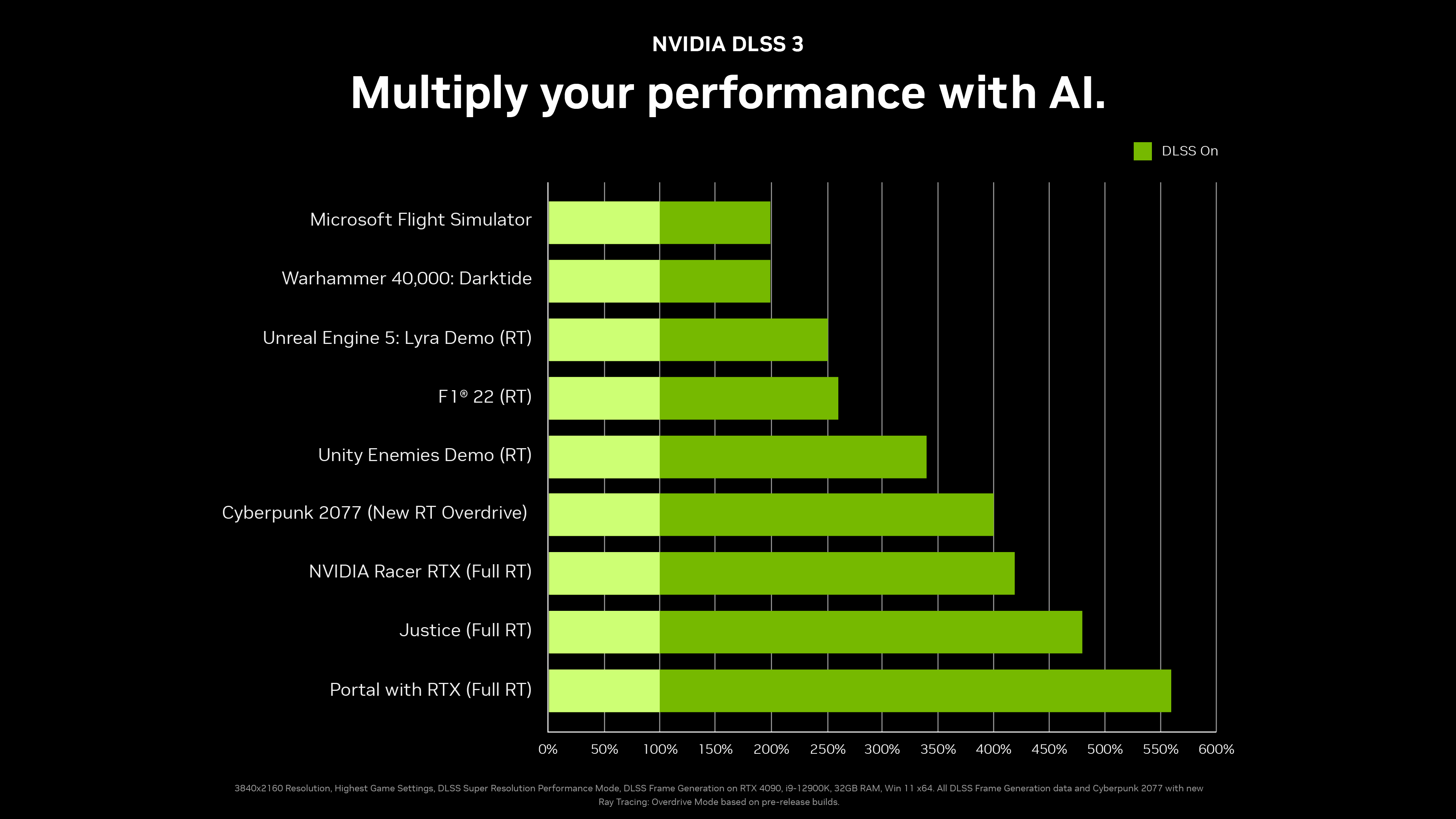
Clock speed is yet another important metric, demonstrating how quickly the GPU can process instructions. Measured in megahertz or gigahertz, a greater clock frequency is typically linked to enhanced capability, as it allows the GPU to process a greater number of instructions per second. Nonetheless, clock speed must not be considered alone; it needs to be balanced with the number of cores and memory bandwidth to get a comprehensive understanding of a GPU’s capabilities. Balancing these specifications is crucial for selecting the right GPU for diverse scenarios, whether for gaming experiences, content creation, or scientific tasks.
Performance Metrics to Assess
When analyzing GPU specifications, efficiency metrics play a significant role in establishing the fitness of a graphics card for certain applications. The clock speed, usually measured in MHZ, indicates how efficiently a GPU can process data. Higher clock speeds generally lead to enhanced performance, notably in gaming and graphics-heavy applications. However, clock speed alone does not provide a complete picture; it must be factored in alongside other specifications such as core count and architecture.
Another important metric is the quantity of CUDA cores, or stream processors, which indicate the parallel processing capability of the GPU. A larger core count typically increases the performance of a GPU when managing complex calculations and rendering graphics. This is notably important in cases like 3D rendering, video editing, and machine learning. It's also worth noting that the efficiency of the GPU architecture impacts how well the cores can perform, making architecture a critical aspect to evaluate alongside core count.
The memory bandwidth and VRAM size also considerably influence a GPU's performance. Memory bandwidth is the rate at which data can be retrieved from or saved to the memory by the GPU, while VRAM size determines how much data can be held and accessed at once. For tasks such as gaming at high resolutions or working with extensive data in graphics applications, ample VRAM is crucial to ensure smooth performance. Therefore, when assessing GPU specs, one must take into account these metrics as a whole to ensure optimal performance for your specific needs.
Selecting the Best GPU for Your Requirements
Choosing the appropriate GPU hinges on grasping your particular requirements and capability requirements. If you're a gamer, search for a graphics card that is compatible with the latest titles and delivers high frame rates at your desired resolution. Elements such as VRAM, clock speeds, and compatibility with technologies like ray tracing can greatly enhance your gaming experience. For informal gaming, mid-range options might suffice, while hardcore gamers usually need top-tier models to maintain peak performance.
For content creators, a GPU's capabilities in handling tasks like video editing, 3D rendering, and graphic design are crucial. GPUs designed for high-end workloads often include extra features such as enhanced memory bandwidth and capability of multiple displays. It's important to balance power with cost considerations, as higher specs can lead to higher costs. Reviewing benchmarks for software compatibility can provide clarity into which cards meet your artistic needs.
Finally, if you're curious in machine learning or AI development, performance metrics such as CUDA cores and tensor cores become significant. These attributes indicate how well a GPU can manage parallel processing workloads, which are common in training models. Researching gpuprices.ai in GPU technology can aid you decide on an informed decision that aligns with your tech pursuits and long-term viability your setup.